
 Click main image to view in full screen.
Talent Management for C-level and Beyond: Session 6 (Video Training) (PowerPoint PPTX Slide Deck)
PowerPoint (PPTX) + Zip archive file (ZIP) 63 Slides


HUMAN RESOURCES PPT DESCRIPTION
This is session 6 of an online training program on Talent Management for C-level (and beyond), developed by Dr. Charlie Bishop.
It includes:
• Training presentation
• Video training (MP4)
Dr. Charlie Bishop is an accomplished, seasoned executive and published author. Charlie has over 20+ years of experience in senior level positions at Fortune 100 companies, including Federal Express, Baxter, and Bank of America, leading these organizations through significant changes.
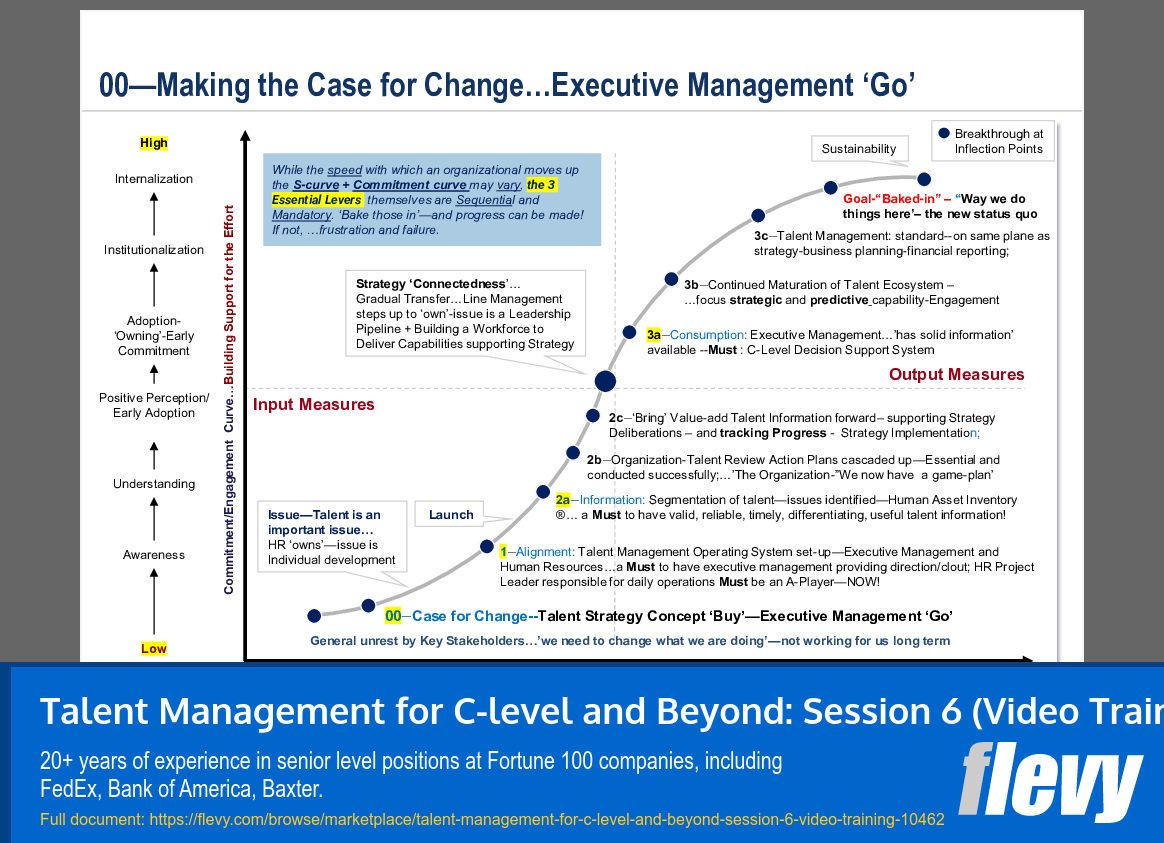
Session 6 of the "Talent Management for C-level and Beyond" program, led by Dr. Charlie Bishop, focuses on the critical steps to embed a sustainable talent management ecosystem within an organization. This session emphasizes the importance of aligning both the rational and emotional aspects of change to ensure the successful implementation of a talent management strategy. Participants will learn about the "S-Maturity Curve" for talent management processes and the "Commitment Curve," which addresses the human side of change, providing a balanced approach to driving organizational transformation.
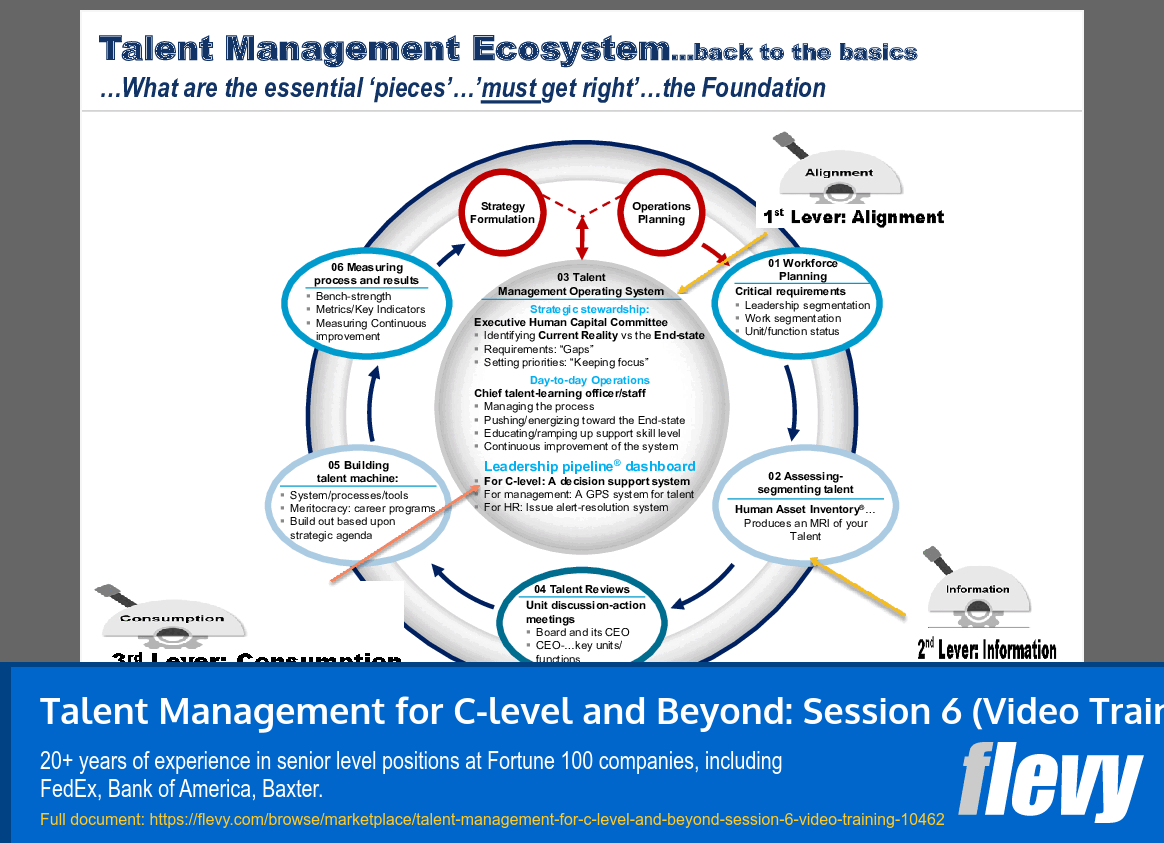
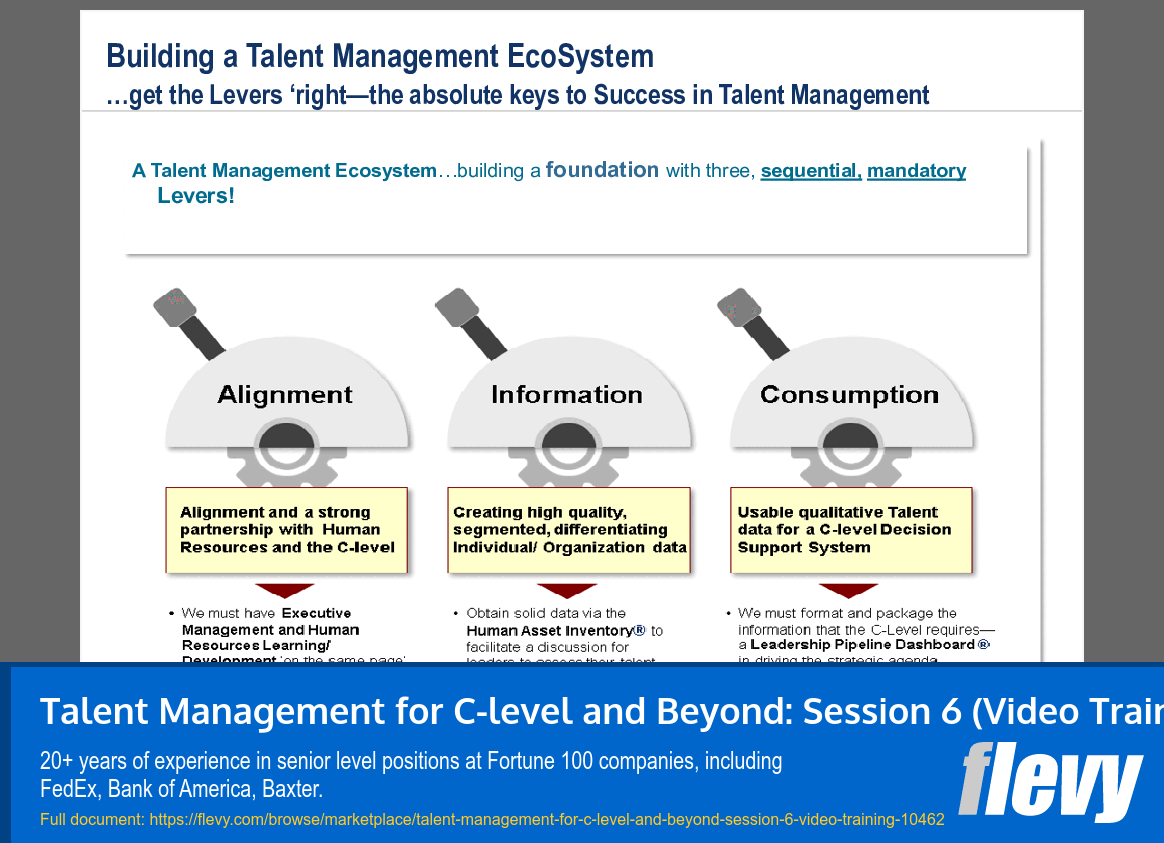
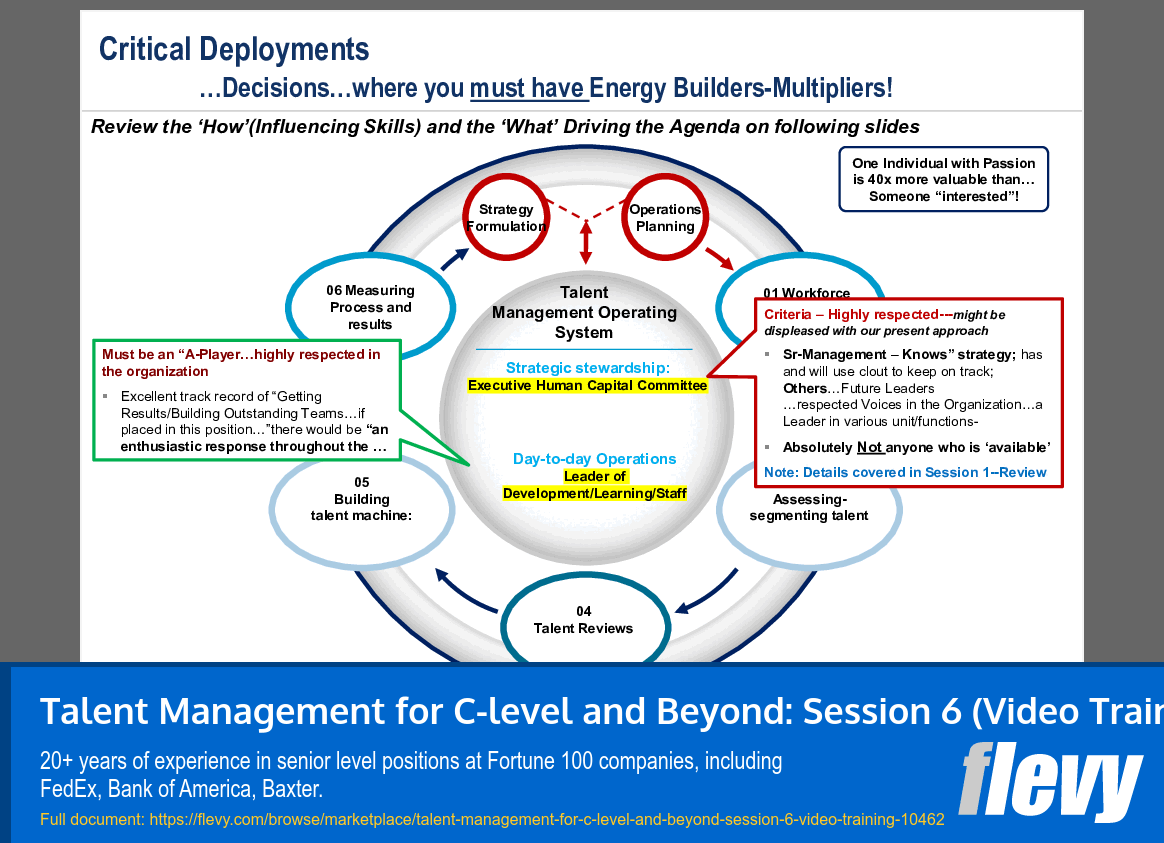
The session covers the essential components of a Talent Management Operating System, which includes strategic alignment between HR and executive management, accurate and timely talent information, and a C-Level Executive Decision Support System. Dr. Bishop highlights the importance of building commitment and engagement through tailored communications and understanding the different types of change adopters within the organization. By using tools such as the Human Asset Inventory® and the Bench-Strength Matrix, leaders can assess and segment talent effectively, ensuring that the right people are in place to support strategic initiatives.
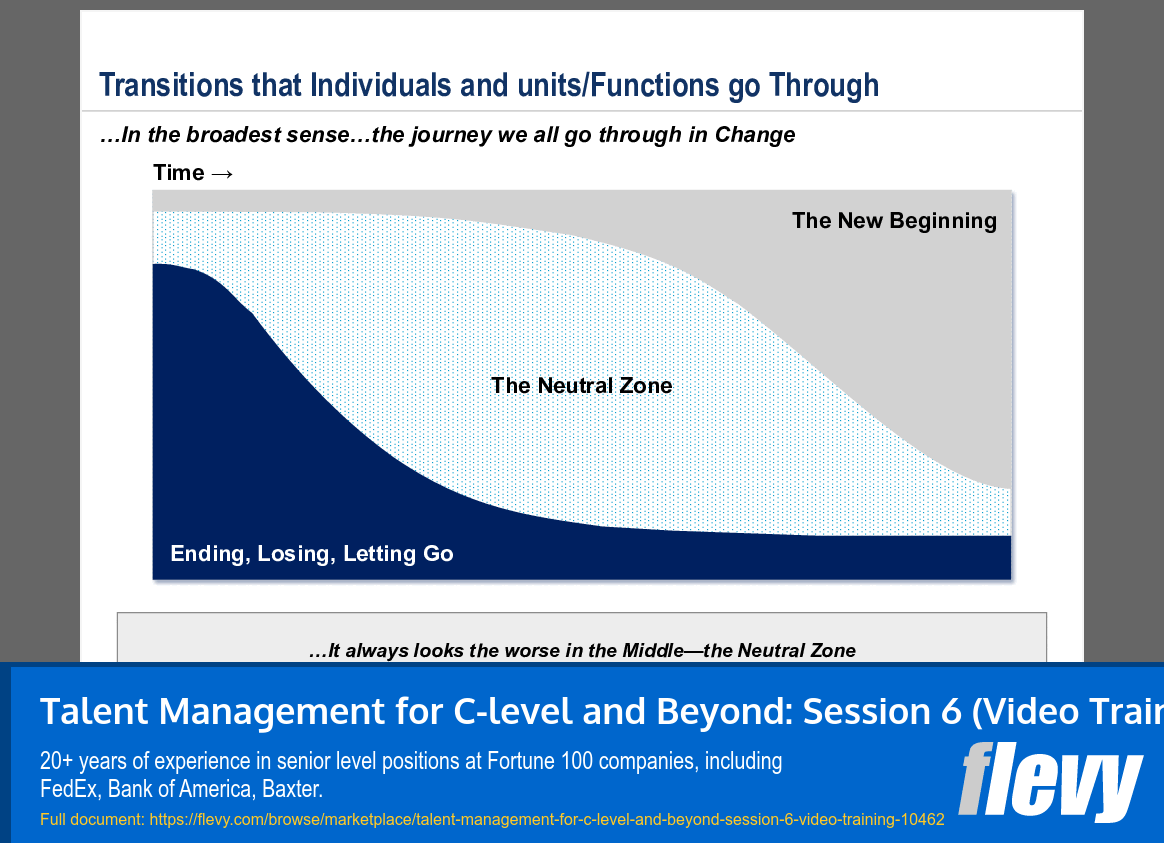
Additionally, the session addresses common pitfalls in change management, such as resistance to change and the need for sustained leadership support. Dr. Bishop provides practical insights into creating an engaging and supportive environment that fosters commitment to the talent management process. By focusing on continuous improvement and embedding these practices into the organizational culture, leaders can ensure that the talent management ecosystem not only creates value but also becomes a permanent part of how the organization operates. This session equips leaders with the knowledge and tools necessary to build a resilient and high-performing workforce that drives long-term success.
Producing a pipeline of talent required for the future is broadly recognized across the world as a business imperative! At the same time, there is a serious disparity—Boards of Directors and C-Level executives rate their "lack of a leadership pipeline" as a major deterrent to innovation, growth, productivity, and profitability.
Dr. Bishop's program aims to change this by providing a proven framework and turnkey toolkit—scalable to any size of organization. Our methodology is a refreshing and different, common-sense approach, which will work for you and for your organization. You will learn best practices discovered in premiere organizations, such as FedEx, Baxter International, Bank of America, and other firms. You will also come to discover and understand how we have truly over-complicated this talent issue. Thus, this program will be about simplification and "common sense" workable solutions.
Got a question about the product? Email us at support@flevy.com or ask the author directly by using the "Ask the Author a Question" form. If you cannot view the preview above this document description, go here to view the large preview instead.
Source: Best Practices in Human Resources PowerPoint Slides: Talent Management for C-level and Beyond: Session 6 (Video Training) PowerPoint (PPTX) Presentation Slide Deck, Dr. Charlie Bishop
ABOUT THE AUTHOR
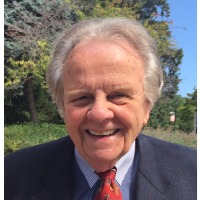
Dr. Charlie Bishop is an accomplished, seasoned executive and published author. Charlie has over 20+ years of experience in senior level positions at Fortune 100 companies, including Federal Express, Baxter, and Bank of America, leading these organizations through significant changes.
His book, Making Change Happen One Person at a Time, is published by AMACOM and cited by a study group
... [read more]
Ask the Author a Question
You must be logged in to contact the author.




























